
Keto Grocery Shopping Guide
Grocery shopping for the keto diet is easier with a plan than with a list of "allowed" and "forbidden" foods alone. This guide walks through planning a trip, moving through the store efficiently, and checking labels before items go in the cart — a shopping workflow, not a full food-category reference (see our complete food list for that).
How do you plan a keto grocery trip?
Plan around meals and food categories before you leave the house, rather than shopping aisle by aisle from memory. A short list built from a few proteins, a couple of vegetables, a fat source, and any pantry staples you're low on keeps the trip focused and reduces impulse purchases of packaged "keto" snacks you don't actually need. Basic, minimally processed foods should make up most of the list — specialty low-carb products are useful occasionally but tend to cost more per gram of actual food than plain ingredients. If you'd rather shop from a ready-made week of meals instead of building a list from scratch, our 7-day keto meal plan lays out a full week's worth of breakfasts, lunches, and dinners to shop for.
What should go on your list first?
Proteins: eggs, ground beef, chicken thighs, bacon, salmon, sardines, shrimp, deli turkey (check for no added sugar).
Fats: butter, avocados, olive oil, coconut oil, heavy cream, cheese (cheddar, mozzarella, parmesan).
Vegetables: spinach, broccoli, cauliflower, zucchini, cucumber, mushrooms, asparagus, cabbage.
Pantry: almond flour, coconut flour, erythritol, unsweetened almond milk, bone broth, canned tuna, macadamia nuts, walnuts.
For a more detailed breakdown of the main food categories commonly used in a lower-carbohydrate eating pattern, including why some foods only fit in moderation, see our full food list.
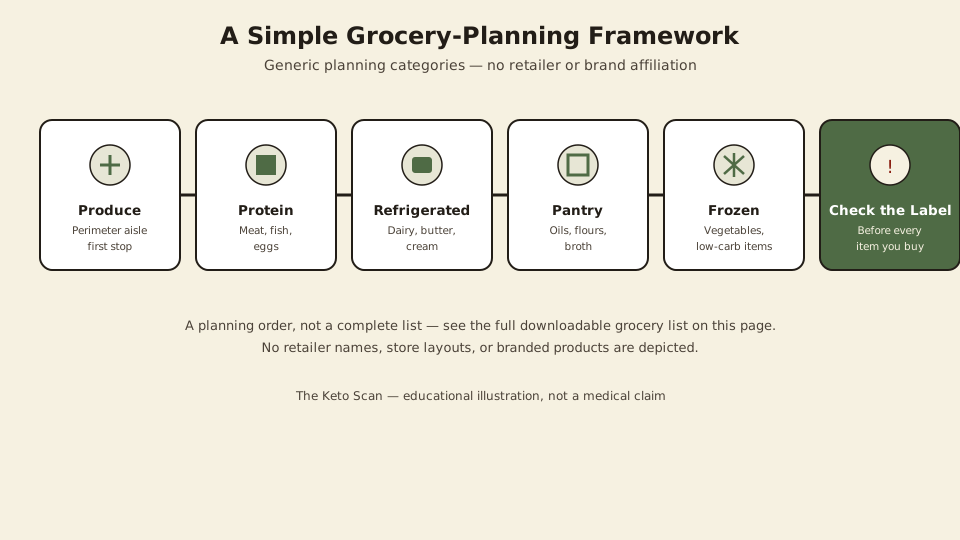
Which store sections should you shop first?
Most supermarkets place fresh produce, meat, fish, and dairy around the outer edges, while shelf-stable and packaged foods fill the inner aisles. Shopping the perimeter first naturally fills the cart with whole, low-processing foods before you reach the sections where marketing language does most of the work. Head into the aisles afterward only for the specific pantry items on your list — canned fish, nut butters, oils, or low-carb baking substitutes — rather than browsing every "keto" or "diet" shelf tag you see. Bread, pasta, rice, oats, potatoes, corn, beans, fruit juice, regular soda, candy, cookies, crackers, chips, cereal, and most condiments with added sugar are typically skipped entirely on a keto trip. If you're planning what to buy instead of these staples, our keto food swaps guide covers practical lower-carbohydrate alternatives.
What should you check on packaged-food labels?
For the complete reading order — serving size, Total Carbohydrate, fiber, sugar alcohols, allulose, and the ingredient list — see our guide to reading nutrition labels for keto.
Check the serving size first — manufacturers sometimes use a smaller serving than a typical portion, which makes the per-serving numbers look better than what you'd actually eat[1]. Then look at Total Carbohydrate, and note Dietary Fiber and any Sugar Alcohols reported separately, since these are the inputs used to calculate net carbs[2] — see how to calculate net carbs for the full worked method rather than duplicating the deduction table here. Finally, scan the ingredient list for sugar, corn syrup, maltodextrin, wheat flour, dextrose, or rice starch; ingredients are listed in descending order by weight, so items near the top make up a larger share of the product[3].
How do you compare two products fairly?
Only compare products using the same serving basis — a "per 30g" cracker and a "per 50g" cracker aren't directly comparable until you scale one to match the other, or compare both on a per-100g basis if it's listed. This matters most for snack foods, where package and serving sizes vary widely between brands. Once the servings match, compare the resulting net carbs, not just the total carbohydrate number, since fiber and any reported sugar alcohols change the practical figure — see net carbs vs. total carbs for why that distinction matters.
Which marketing claims require a closer look?
"Natural," "organic," "gluten-free," "low-fat," "sugar-free," and "keto" labels are not standardized guarantees of a low net-carb count. Organic cane sugar is still sugar; gluten-free does not necessarily mean low in carbohydrates; a "keto" claim on a packaged snack is not independently regulated the way the Nutrition Facts panel is. Treat front-of-package wording as a reason to check the actual label, not a substitute for checking it — see our guide to carbohydrates that are easy to overlook on a label for common places this shows up.
How can you keep the grocery trip practical and affordable?
Comparing unit price (price per ounce or per 100g) rather than package price makes it easier to judge which option is actually the better value, since package sizes and promotions vary. Buying only the quantity you're likely to use before it spoils reduces waste, and frozen or canned versions of vegetables and fish are worth considering when they're the more economical option at your store, not because they're inherently cheaper everywhere. Starting your list with basic, minimally processed ingredients before adding specialty "keto"-branded products also tends to keep the trip more budget-friendly, since specialty packaging often costs more per gram of actual food. These are general shopping habits, not a guarantee of specific savings — actual prices vary by store, location, package size, and time.
The Keto Scan — https://theketoscan.com/keto-grocery-guide/
Printable Keto Grocery Shopping List
Check off items as you shop. This list mirrors the categories above — always confirm against the actual product label. For the applicable net-carb deductions, use our net-carb calculator.
Produce
Protein
Refrigerated Items
Pantry
Frozen Items
Labels to Inspect Carefully
Check Products Faster with The Keto Scan
For supported products, scan a barcode to review available net-carb information, keto score, and The Keto Scan's product verdict. Results depend on the product data available, so always confirm the package label.
Try The Keto Scan →Sources and references
- U.S. Food and Drug Administration — Serving Size on the Nutrition Facts Label
- U.S. Food and Drug Administration — How to Understand and Use the Nutrition Facts Label
- U.S. Food and Drug Administration (eCFR) — 21 CFR 101.4 — Food; designation of ingredients
This article is educational, not personal medical advice. Sources are selected from government, institutional, and peer-reviewed research where available. For guidance on your own health or diet, consult a qualified healthcare professional. See our editorial standards and full Disclaimer.