
Keto Friendly Foods: The Complete List
Sticking to the ketogenic diet gets much easier once you know which food categories are typically lower in carbohydrates and which need a closer look. This guide organizes foods by category, but it isn't a promise that every item in a category can be eaten in any amount — portion size, preparation, and the printed label still decide whether a specific product fits. Nutrient values below are typical figures drawn from public food-composition data[1] and can vary by brand, ripeness, and preparation.
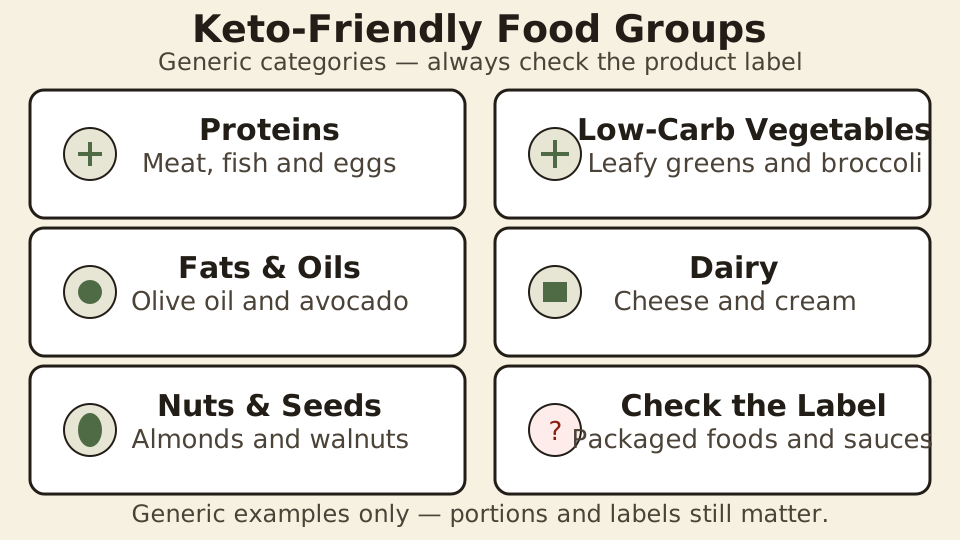
What makes a food keto-friendly?
A food is generally described as keto-friendly when a typical serving contributes relatively few net carbs — total carbohydrate minus fiber and any deductible sweeteners — compared to fat and protein. Whole, unprocessed foods like meat, eggs, and non-starchy vegetables are naturally low in carbohydrate regardless of brand. Packaged foods are different: the same category name (a "keto" granola bar, a flavored yogurt) can sit anywhere from genuinely low-carb to unexpectedly high-carb depending on added sugars, starches, and serving size. Because of that, this guide separates naturally low-carb foods from packaged foods that need label review, and it avoids describing any food as suitable without regard to portion size.
Which protein foods are commonly low in carbohydrates?
Unprocessed meat, poultry, and eggs contain little to no carbohydrate on their own. Beef, pork, lamb, chicken, turkey, and game meat are essentially carb-free before seasoning; fattier cuts (ribeye, chicken thighs) add more energy from fat without adding carbs. Fish and shellfish — salmon, mackerel, sardines, tuna, trout, cod, shrimp — follow the same pattern, and oily fish also contribute omega-3 fats. Eggs are versatile and contain under 1g of net carbs each.
The carbohydrate count changes once these proteins are breaded, marinated, glazed, or turned into deli or processed products: a breaded fish fillet, a honey-glazed ham, or a marinated chicken breast can carry meaningful carbs from the coating or sauce, and processed meats sometimes include added sugar or starch fillers. Check the ingredient list on any prepared or packaged protein rather than assuming the "meat" or "fish" category applies automatically.
Which vegetables usually fit a lower-carbohydrate plan?
Non-starchy vegetables tend to be the lowest-carbohydrate plant foods: leafy greens (spinach, kale, arugula, lettuce), broccoli, cauliflower, zucchini, cucumber, asparagus, bell peppers, mushrooms, celery, and cabbage. Starchy vegetables — potatoes, corn, peas, winter squash — are higher in carbohydrate even though they're still vegetables, so they're grouped separately below. Frozen versions of the non-starchy vegetables above are usually nutritionally similar to fresh, but sauced, breaded, or "seasoned" frozen vegetable blends can add carbs the plain vegetable wouldn't have — check the ingredient list on any pre-seasoned bag.
How should you choose fats and oils?
Avocado, avocado oil, olive oil, coconut oil, and butter are common bases for keto cooking and contain no meaningful carbohydrate on their own. Avocados themselves also contribute fiber and potassium alongside their fat. MCT oil is a concentrated fat product some keto followers use in cooking or beverages; it is a source of dietary fat, not a supplement proven to produce a specific metabolic outcome, so treat marketing claims about it with the same skepticism as any other product claim. Flavored or infused oils, and spreads blended with sugar or fruit, are the exceptions worth checking on a label.
How should dairy, nuts, seeds and berries be handled?
Hard cheeses (cheddar, gouda, parmesan), butter, cream, and cream cheese are low in carbohydrate per typical serving. Greek yogurt and cottage cheese sit in a moderate range and vary by brand — check the label rather than assuming. Milk and sweetened, flavored dairy products are considerably higher in carbohydrate from natural or added sugars; flavored yogurt and creamers are a classic source of what our hidden carbs guide calls easily overlooked carbohydrates.
Nuts, seeds, and berries need portion awareness even when the food itself is naturally low-carb, because their carbohydrate count scales quickly with quantity. Macadamia nuts, pecans, brazil nuts, and walnuts are on the lower end per ounce; almonds and pumpkin seeds are moderate; cashews and pistachios run higher. A handful eaten mindlessly can add up fast since nuts are easy to overeat. Berries are the most carbohydrate-moderate fruits — blackberries and raspberries run roughly 5–6g net carbs per 100g and strawberries around 6g, while blueberries are higher at roughly 12g[1] — so a reasonable portion, not an unlimited bowl, is the practical approach. Packaged dried or sweetened versions of any of these differ from raw produce, so check the actual serving size on the label[2]. See how these numbers are calculated if you want to check a different serving size, or how net carbs differ from total carbs on a label.
Which packaged foods need closer label checking?
For a full walkthrough of the label-reading order — serving size, Total Carbohydrate, fiber, sugar alcohols, allulose, and the ingredient list — see our guide to reading nutrition labels for keto.
Bread, pasta, rice, potatoes, corn, oats, beans, and lentils are carbohydrate-dense staples that don't fit most lower-carbohydrate plans in ordinary portions. Most fruit, fruit juice, soda, candy, chocolate, cookies, cake, crackers, chips, and anything built mainly from wheat flour or added sugar fall in the same category. Beyond these obvious cases, sauces, coatings, marinades, and "diet" or "keto"-labeled packaged snacks are worth a second look: a sauce or glaze can add several grams of carbohydrate to an otherwise low-carb protein, and a product labeled "keto" is not a regulated claim — its actual net carbs depend on the ingredient list and Nutrition Facts panel, not the front-of-package wording. For the full workflow on reading these labels while shopping, see our keto grocery shopping guide. If you're looking for what to use instead of these staples, our keto food swaps guide covers practical lower-carbohydrate alternatives for bread, rice, pasta and potatoes.
How can you build a simple keto-friendly meal?
A practical way to use this list is to build a plate from one protein, one or two non-starchy vegetables, and a fat source, then treat nuts, dairy, or berries as smaller additions rather than main components. For example: pan-seared salmon with sautéed spinach and a drizzle of olive oil, or a mixed-greens salad with grilled chicken thigh, avocado, and a small portion of hard cheese, checking any dressing's label for added sugar. These are illustrative combinations, not a prescribed meal plan — actual suitability still depends on portions, added sauces, and any packaged ingredients you use. If you'd rather start from a full week already mapped out, see our 7-day keto meal plan for beginners. The same protein-plus-vegetable pattern works when ordering at a restaurant, too.
How should you use the printable checklist?
The checklist below mirrors the categories above so you can check off what's in your kitchen or on your shopping list. It's meant as a quick reference, not a replacement for reading an individual product's label — use it alongside the grocery guide when you shop.
The Keto Scan — https://theketoscan.com/keto-friendly-foods/
Printable Keto-Friendly Foods Checklist
Check off items as you plan meals or shop. This checklist mirrors the categories above — always confirm against the actual product label.
Proteins
Healthy Fats & Oils
Dairy (Eat in Moderation)
Low-Carb Vegetables
Nuts & Seeds (Eat in Moderation)
Berries (Small Portions Only)
Foods to Check Carefully or Avoid
Not Sure About a Specific Product?
Even "healthy" products can hide surprising amounts of carbs. Scan any product barcode with The Keto Scan to get an instant net carbs count and keto score before you buy.
Try The Keto Scan →Sources and references
- USDA, Agricultural Research Service — FoodData Central
- U.S. Food and Drug Administration — Serving Size on the Nutrition Facts Label
This article is educational, not personal medical advice. Sources are selected from government, institutional, and peer-reviewed research where available. For guidance on your own health or diet, consult a qualified healthcare professional. See our editorial standards and full Disclaimer.